
Building the Case: Expert Witnesses and Their Role in Mass Tort Litigation
The mass tort litigation process is complex, but like any lawsuit, it relies on the presentation of compelling information to support your case. Expert witnesses play a key role in building a strong case for plaintiffs and ensuring that the harm done by the defendant is recognized.
Wallace Miller attorney Jessica Wieczorkiewicz recently presented on the role of expert witnesses at Mass Torts Made Perfect, a bi-annual conference that helps plaintiffs’ attorneys expand their base of knowledge, connect with other lawyers, and excel as advocates for the people they represent. Co-presenting with Carol Moore from Levin Papantonio and Susan Staggs from Green Law, Jessica shared her insight on what makes a good expert witness and tips for plaintiffs’ lawyers on finding, vetting, and hiring the best witnesses for the case.
Inside and outside the office, every attorney at our firm works tirelessly to do their best by our clients. Events like these give us an opportunity to grow and share our knowledge with the rest of the legal community. “In the mass tort practice area, you can make a difference in the world on a large scale,” says Jessica. “The ability to make a positive impact on the entire country is amazing.”
We worked with Jessica to adapt her presentation into this explainer on expert witnesses: what they are, how they function in a lawsuit, and why they’re so important to mass tort cases.

Partner Edward A. Wallace and Jessica Wieczorkiewicz.
What is an expert witness?
In a civil case, an expert witness is someone who can weigh in on a specific aspect of the lawsuit due to their specialized knowledge. An expert’s qualifications are judged by their specific knowledge, skill, experience, training, and/or education.
The expert witness’ role is to educate the court (and the jury, if applicable) on complex issues in the case. Depending on the details of the lawsuit, they may be a doctor, engineer, statistician, scientist, or another type of expert.
The basics of mass tort cases
Like class action lawsuits, mass torts are a way for individual plaintiffs to work together to hold the same defendant or group of defendants responsible for harm they’ve caused to a large number of people. While each mass tort lawsuit is filed individually, they are often consolidated into a multidistrict litigation in order to make the judicial process more efficient and effective for everyone involved. These cases are consolidated for purposes of discovery, but each plaintiff still maintains their individual personal injury lawsuit.
Examples of mass tort cases include:
- The paraquat litigation. Thousands of plaintiffs have brought claims against the manufacturers of an herbicide called paraquat, alleging that exposure to this product caused their Parkinson’s disease. More than 5,500 cases have been consolidated in the federal litigation in the Southern District of Illinois, in addition to numerous state court litigations.
- The necrotizing enterocolitis (NEC) litigation. After studies found that several baby formula brands may be linked to higher rates of NEC in newborns, parents filed claims that were consolidated in a multidistrict litigation.
- The hair relaxer litigation. Thousands of cases have been brought against the manufacturers of hair relaxer products commonly used by African American women alleging that the products cause uterine and ovarian cancer. These cases have been consolidated in the Northern District of Illinois.
Why is an expert witness important in mass tort litigation?
In mass tort cases, expert witnesses are crucial for establishing causation between the product, device, drug, or action in question and the harm suffered by plaintiffs. Their testimony applies across the span of the case and to the plaintiffs as a whole—in other words, they’re often speaking on behalf of issues that impact the entire group.
While other witnesses may be called in a mass tort case, expert witnesses are unique in that they can offer their opinions on key disputes in the case. Their specialized knowledge enables them to assess the facts of the lawsuit and share their point of view on key issues.

How is an expert witness selected?
An expert witness is selected due to their particular expertise in some part of the lawsuit. For example, a gynecologist may be asked to serve as an expert witness in a case that involves uterine cancer.
But it’s not always that simple—defendants often look for ways to disqualify the plaintiffs’ expert witnesses from appearing in court, especially if the information they present could swing the case in favor of the plaintiffs. As a result, expert witnesses go through an extensive evaluation at every step of the process.
Experts are vetted by plaintiffs’ lawyers through many different methods. Lawyers research their credentials, run background checks, speak with others who have worked with them, read their presentations and papers, investigate past cases where they have testified, and more.
The litigation team will then interview the potential witness. In addition to discussing the details of any prior cases they have worked on, they’ll go over potential conflicts of interest. They will also discuss their availability and associated costs to make sure the expert witness is qualified and able to take on this important role in the case.
After the law firm decides to hire an expert witness, the plaintiffs’ attorneys work closely with the expert to get them up to speed on the case facts and ensure their opinions pass the legal and scientific standards at play. Even then, the court can still exclude expert witnesses if it determines that they are not reliable or qualified to weigh in on the case.
What does expert witness testimony contribute to a mass tort lawsuit?
Expert witnesses can provide valuable input to many different areas of a case. These include:
- Liability and negligence — Did the defendant act in a way that endangered individuals or fail to make a safe product?
- Exposure — Were the plaintiffs exposed to the product or action?
- Causation — Did the defendant’s unsafe product or action cause the plaintiffs’ injury?
- Failure to warn — Did the defendants have a duty to warn individuals about possible harm?
- Damages — What harm did the plaintiffs suffer?
- Life care plan and future damages — What damages and costs are likely going forward?
In both depositions (sworn testimonies) and trials, witnesses will present and explain their expert opinions. They will undergo cross-examination by the defendants, during which the opposing counsel will try to refute their testimony by attacking their credibility and expertise.
Establishing reliable expert witness testimony
How can an expert’s reliability be verified? Courts assess reliability and admissibility using the Daubert standard and Federal Rules of Civil Procedure 702. Together, these frameworks help courts assess experts’ qualifications as well as the relevance and basis of their opinion, the reliability of their methodology, and the application of their methodology to the facts of the case.
Federal Rule 702
According to Rule 702, a witness may be qualified as an expert by knowledge, skill, experience, training, or education. An expert witness may testify if:
- Their scientific, technical, or other specialized knowledge will help people understand information or determine a fact of the case;
- Their testimony is based on sufficient facts and data;
- Their testimony is the product of reliable principles and methods; and
- Their opinion reflects a reasonable application of these principles and methods to the facts of the case.
In other words, an expert can provide testimony if they have specific knowledge that is based on real information, gained through legitimate methods, and applied appropriately to the case.
The Daubert standard
The Daubert standard originates from a 1993 U.S. Supreme Court decision interpreting Rule 702. It is intended as a checklist for trial courts to assess the reliability of scientific expert testimony.
This framework emphasizes how an expert arrives at their conclusions, not just what their conclusions are. It outlines five key factors that judges should consider when deciding whether or not to admit an expert’s testimony:
- Can the expert’s technique or theory be tested and assessed for reliability?
- Has the technique or theory gone through peer review and publication?
- What is the rate of error of the technique or theory?
- Does the technique or theory have standards and controls?
- Is the technique or theory generally accepted in the scientific community?
Expert testimony is often critical in proving key aspects of a case, including the defendant’s liability for causing harm. Rule 702 and the Daubert standard help make sure that this testimony is trustworthy and can be relied upon to make important decisions.

What does this mean for my mass tort litigation?
Our mass tort team takes care of every aspect of the legal process, from gathering medical records to conducting depositions to settlement negotiations. In the long and complicated trial process, working with reliable expert witnesses to strengthen plaintiffs’ cases is one of our most important roles.
Every aspect of our practice represents our dedication to our clients’ cases as we fight for the best possible outcome.
Learn more about our mass tort team
Questions about mass tort claims or looking for more information on your case? Resources on the difference between mass torts and class actions as well as individual case pages are available on our website.
If you can’t find the answers to your questions online, our team is available to talk about your potential case or current litigation. Contact our office at 312-261-6193 to speak to a member of our team, or fill out an online case evaluation if you think you may be eligible to join a lawsuit.
Community Access to Justice: Ten Years of the North Suburban Legal Aid Clinic
The North Suburban Legal Aid Clinic works to provide high-quality, equitable legal services to individuals in need. We’re proud to work with NSLAC and Wallace Miller partner David A. Neiman to support the organization’s tenth anniversary event in May 2025.
NSLAC’s 10th Anniversary
Celebrating the tenth anniversary of its founding, the North Suburban Legal Aid Clinic (NSLAC) will be holding a fundraiser on May 3rd, 2025 in Libertyville, Illinois. The event is aimed at local leaders, the legal community in Chicago, Lake County, and Cook County’s northern suburbs, and other supporters of NSLAC and its goals. Funds will go towards promoting free legal services for community members who need them most.
Wallace Miller will be donating to the event to celebrate the organization’s exceptional work and help raise funds for their advocacy for years to come. Find out more about the event at their website.
About the North Suburban Legal Aid Clinic
The North Suburban Legal Aid Clinic (NSLAC) provides free legal help to members of its community who would otherwise be unable to afford them. Working in Lake County and the north suburbs of Cook County, their goal is to provide accessible, high-quality, equitable representation and connect individuals to meaningful legal aid.
The legal system can often be overwhelming, particularly for individuals who are low-income or otherwise vulnerable. NSLAC serves clients from diverse backgrounds, heritages, traditions, values, and behaviors and focuses on listening to and respecting what each client wants. They work with legal and nonprofit partners to provide high-quality, thorough, confidential, and compassionate legal services, including pro bono legal aid and established support in designated courthouses.
NSLAC free legal services: Immigration, housing, and domestic violence
NSLAC focuses its legal help on three areas: domestic violence, housing, and immigration.
- In their domestic violence focus, the organization represents and assists survivors and their children. In addition to providing free legal representation, they have a designated support team and assist in connecting clients to resources before, during, and after the litigation process.
- Their housing litigation area of service is founded on the idea that housing rights are crucial to a stable, productive life. NSLAC represents tenants, collaborates with local organizations in community partnerships, and helps clients secure resources for themselves and their families.
- The immigration team at NSLAC helps community members navigate the complicated immigration process. They conduct community outreach and Know Your Rights presentations, help immigrants secure necessary resources, and represent immigrants in court.
In addition to the dedicated NSLAC staff, the organization works with local law firms and attorneys who volunteer their time pro bono. Interested in volunteering to provide accessible legal aid? Get involved at the NSLAC website.

History of NSLAC: Legal help for all
NSLAC was founded in 2015 as the Highland Park-Highwood Legal Aid Clinic. Serving residents of Highland Park, Illinois and Highwood, Illinois, it provided free legal aid to 84 clients in its first year or operation.
In 2018 it relocated and expanded its scope of services, and in 2019 it changed its name to the North Suburban Legal Aid Clinic. The organization earned a Guidestar Platinum Seal of Transparency, the highest level available, demonstrating their commitment to openly sharing information on their goals and operations.
As of its tenth year of operation, NSLAC has served more than 10,000 individuals in the north suburban areas of Lake and Cook Counties. Read more about the organization’s success and their mission on their website.

Image by Pixabay.
Leveling the playing field with David A. Neiman
Wallace Miller attorney David A. Neiman has been a proud supporter of NSLAC since getting involved in 2016. Joining shortly after the clinic was founded, he helped oversee its expansion and transition as chairman of the Board in 2019. “It was an honor to see a small legal aid clinic grow and blossom and I take great pride to have been affiliated with that organization at that time,” David says. “It’s my goal to level the playing field by giving everyone, regardless of their background, access to our judicial system in their time of need.” Hear more from David in his interview on our blog.
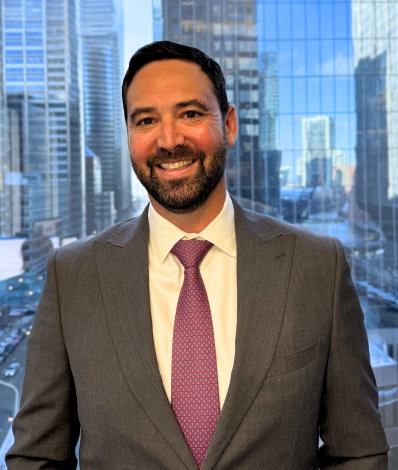
Partner David A. Neiman
Community involvement at Wallace Miller
Everyone at Wallace Miller, from attorneys and paralegals to our prelitigation department and administrators, is committed to fighting for justice for those wronged by corporations and flawed systems. That’s why we operate on a contingency fee model with no up-front fees—none of our clients pay anything for our representation unless we win their case through a verdict or settlement.
Our commitment to advocacy and expanding access to justice extends beyond the courtroom. This year, we’ve been proud to highlight and support our lawyers as they make a difference in our community. In addition to his contributions to NSLAC, David A. Neiman works extensively with Lambs Farm, an organization supporting adults with developmental difficulties. Wallace Miller partner Molly Condon Wells serves on the Board of Lawyers Lend-A-Hand to Youth, a nonprofit that connects at-risk youth in the Chicago area to tutoring assistance, and works with the Women’s Bar Association of Illinois to connect female lawyers with their peers in the law. Attorney Jessica A. Wieczorkiewicz is co-chair of the New Lawyers Division Education Committee for the Advocates Society, an association of Polish American attorneys that provides legal aid. And last September, our team turned out for Race Judicata, a 5K raising funds for Chicago Volunteer Legal Services.
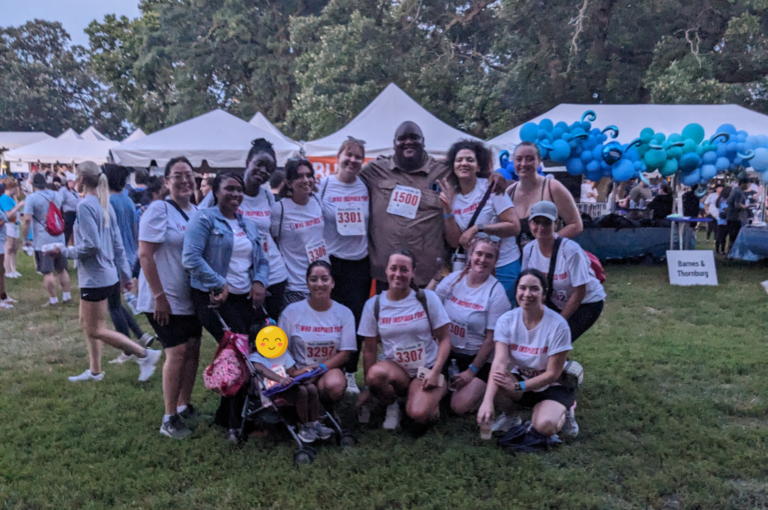
Wallace Miller at Race Judicata.
As plaintiffs’ advocates, we know how important it is to stand up for vulnerable individuals. On our cases and beyond, our team leverages the legal system to help people who need it and fights to improve the legal system so that it is available to everyone.
Searching for legal aid? Find out more about how to access free legal services through NSLAC.
Demystifying the Discovery Process in Civil Lawsuits
What is “discovery” in a civil lawsuit?
Discovery takes place during the pre-trial process—the phase between when the plaintiff’s case is filed against the defendant and when the trial begins. In a civil lawsuit, the plaintiffs file their case because they believe the defendant has harmed them physically, financially, or otherwise. Civil cases are typically resolved through financial compensation and have a lower burden of proof than criminal cases.
At its most basic, discovery is the formal process both sides go through to gather information about the case before a trial. Plaintiffs and defendants collect and exchange information and documents through a variety of discovery methods to flesh out their understanding of the case.
Certain relevant information may be solely within the possession of the defendant and, therefore, unavailable to a plaintiff at the time their case is filed. As such, discovery is crucial to building a case. While discovery rules vary by jurisdiction, the process generally calls for the production of information about “any non-privileged matter that is relevant to any party’s claim or defense.”

What is the purpose of discovery in a civil trial?
During this process, both sides of a litigation obtain discovery information before a trial and submit that evidence to a judge. But why does discovery matter?
Discovery is permitted to help attorneys and judges:
Set up a level playing field. While shock evidence may be common in TV crime dramas, real courts try their best to avoid surprises. Before the trial, both sides should know what evidence is going to be presented, so that they’re fully prepared with a response. Discovery helps prevent anyone from withholding evidence or witnesses from the court and seeks to ensure that both sides have the same information to work from. If both sides are fully equipped with the facts, they are better able to argue more specific legal issues in court.
Establish the scope of the case. Attorneys will narrow down what a case is about and identify relevant facts, which can keep the process from dragging on.
Resolve disputes. Discovery is a chance to learn more about your opponent’s case, which can help both parties decide whether they want to continue to trial or negotiate a settlement.
Analyze applicable legal issues. Based on the facts uncovered during the discovery phase of litigation, attorneys on both sides will conduct in-depth research into the legal issues in question to help them argue their case.
Streamline the trial. Trials are time-consuming. By establishing the facts of the case before entering the courtroom, plaintiffs and defendants can keep things moving during the trial phase.
File motions. Motions are written submissions to the court asking the judge to rule on some aspect of the case. They can help attorneys get access to the information they need, narrow the focus of the case, or even dismiss the case entirely.
Tools of the discovery process
Plaintiffs and defendants have a number of tools they can use to obtain information during discovery:
Interrogatories
Interrogatories are written requests sent by one party to another asking for answers to specific case-related questions. While each state has individual rules, the number of questions is usually limited. Typically, interrogatories are used to obtain basic information, such as details on people, corporations, facts, witnesses, document locations, and records. The recipient is required to answer in writing and under oath.
Depositions
Depositions are out-of-court testimony from a witness, taken under oath. They can help plaintiffs and defendants vet a potential trial witness and give counsel the chance to build their case around the testimony.
Depositions can be written in certain circumstances, but they are almost always taken orally. Oral depositions are usually attended by the witness providing the deposition, attorneys from all parties, and the person administering the oaths and recording the testimony. All parties have a chance to question the witness in oral examination, and lawyers are not permitted to coach their clients.
In most jurisdictions, information from an oral deposition is not directly admissible at trial, with three exceptions: if the witness admits something that goes against their interest; if the witness’s testimony at trial contradicts what they said in the deposition; or if the witness is unavailable at the trial.

Requests for admission
In a request for admission, one party will ask the other party to admit or deny a fact—such as the truth of a statement—under oath. A discovery request typically consists of multiple statements that can be admitted or denied and is used to authenticate information and establish basic facts of the case.
The information provided is binding, but requests for admission are typically not about proving guilt or liability. Instead, it helps the defendants and plaintiffs agree on certain basic facts (for example, their business addresses) so that they don’t need to be established during the trial.
Requests for production of documents
This is the most common way to gain access to documents during discovery. One party will ask the other for copies or originals of certain documents or other physical evidence related to the case. Where disputes arise, the parties can ask the court to compel the other side to provide the requested materials, as long as they are related to the case and not privileged.
In complex, multi-plaintiff litigations, the defendants’ document productions can be extremely large—requiring the plaintiffs’ attorneys to sift through tens of thousands if not millions of documents to find what they’re looking for.
What information is available through discovery requests?
Any information related to the lawsuit can be obtained through discovery, unless it’s “privileged,” or legally protected. This information can include documents, business information, reports of conversations, witness details, and much more.
However, several categories of information are protected from discovery. These include:
- The attorney’s work product, or work prepared by a lawyer for litigation.
- Confidential conversations between people with a privileged relationship—such as spouses, lawyers and clients, patients and doctors, and religious advisors and their advisees.
Additionally, the court may prevent the parties from having to produce certain sensitive or private information, including:
- Private matters that aren’t directly related to the case—for example, religion or sexual orientation. The implementation of this protection is controversial, however, and varies by state.
- The private information of people who aren’t directly involved with the lawsuit, such as coworkers or family members.
Depending on the subject of the litigation, the judge might enter a protective order to keep sensitive information that is produced to the parties in the litigation from being shared with non-parties or filed on the public record.

Left to right: Nicholas P. Kelly, Edward A. Wallace, Molly Condon Wells, Mark R. Miller, Jessica Wieczorkiewicz, Timothy E. Jackson.
The role of an attorney in discovery
Discovery is one of the single most important aspects of the litigation process. It defines the terms of the case and sets both sides up for success—or failure. A good attorney will have a thorough and nuanced grasp of the full discovery process and will work together with the defendant and the court to make sure your case is on the best possible footing going into trial.
A good plaintiff’s attorney will also be your advocate—which may include advising you to take a settlement before the trial process begins. Depending on the information gathered during discovery, both sides may agree that a settlement payout is a more effective remedy for the harm caused.
Questions about what discovery means for your lawsuit? Reach out to our legal team at (312) 261-6193. With over 75 years of collective experience in personal injury, class action, and mass tort law, Wallace Miller attorneys are experts in the legal process from filing to resolution.
Attorney Molly C. Wells Appointed to Lawyers Lend-A-Hand Board
Reviewed by Molly C. Wells, Esq.
We are proud to announce that Wallace Miller partner Molly Condon Wells has been appointed to the board of directors of Lawyers Lend-A-Hand to Youth, a remarkable organization connecting youth with tutoring assistance in the Chicago area.
As a board member, Molly will help manage the organization’s assets and advance its mission by expanding literacy and sharing legal resources with young people in the Chicago area.
What is Lawyers Lend-A-Hand?

Lawyers Lend-A-Hand is a 501(c)3 nonprofit that runs mentoring and tutoring programs for high-risk youth in the Englewood neighborhood of Chicago. The organization’s mission is to leverage the resources of the legal community to build students’ literacy and educational skills.
Lawyers Lend-A-Hand was founded in 1995 by the Chicago Bar Association (CBA) and the Chicago Bar Foundation (CBF), which works to ensure equal access to justice. The organization received a $100,000 contribution from the Honorable Abraham Lincoln Marovitz Trust and an additional $2 million contribution as part of a cy pres class action resolution (which enables certain undelivered settlement funds to be distributed to charities).
The nonprofit initially functioned primarily by making grants to local youth programs and presenting annual organizational awards, but transitioned to focus on its tutoring program in 2016. In 2023, more than 40 tutors contributed to the mentorship program at the CBA. While Lawyers Lend-A-Hand is now a separate organization from the CBA and CBF, it maintains strong ties with the association and operates from space in their building.
The work of Lawyers Lend-A-Hand
The organization’s primary initiative is Lend-A-Hand Tutoring at the CBA. Through this program, LAH provides free one-on-one tutoring at the Chicago Bar Association for students from two public charter schools: the Montessori School of Englewood & Betty Shabazz Academy.
The tutoring focuses on building literacy and developing relationships between students and mentors. The majority of volunteers are lawyers, but tutors come from a wide variety of backgrounds beyond the legal field as well.

Lawyers Lend-A-Hand also provides transportation for students from their schools to the CBA. During the onset of the pandemic, the organization began offering online tutoring, and has continued to offer it for students who find it more accessible or convenient.
The organization fundraises for its programs in an annual Spring Awards Celebration, which raised more than $240,000 in 2023. Each year, the nonprofit board presents the Abraham Lincoln Marovitz Philanthropic Award to members of the community who have contributed to public service and the My Hero award for contributions to the tutoring and mentoring program.
Get to know Molly Condon Wells
Molly has spent her career advocating for the rights of people harmed by the misconduct of large corporations. She is the youngest and first woman partner at Wallace Miller and has been honored as a Super Lawyers Rising Star since 2018 and as a Best Lawyers “One to Watch.”
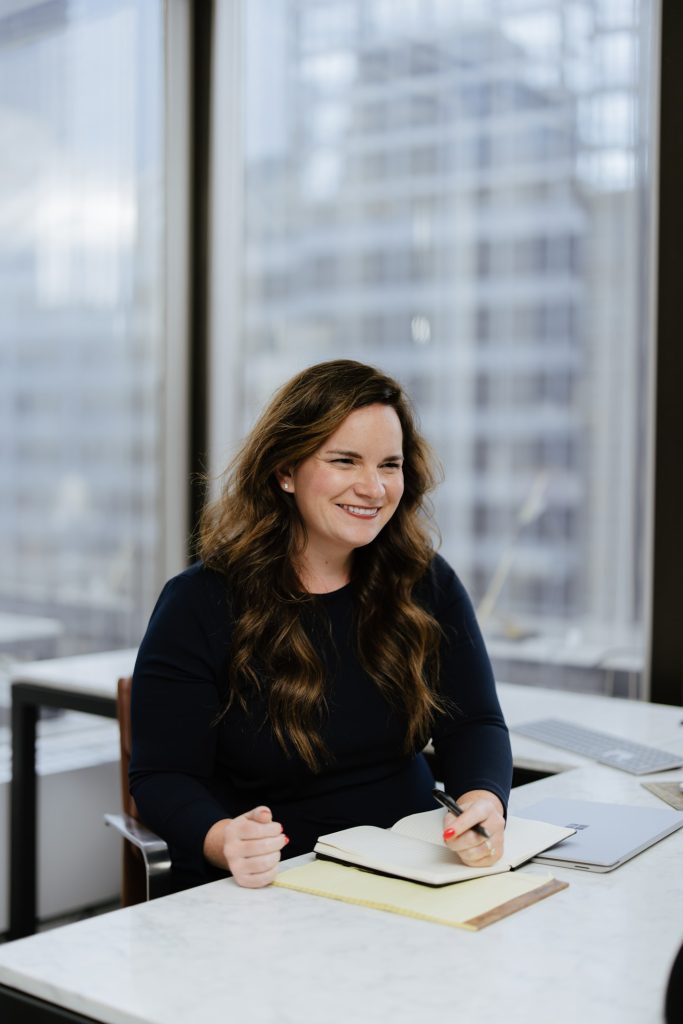
She currently serves as the Secretary of Membership for the Women’s Bar Association of Illinois (WBAI), where she works with other attorneys to advance the interests and welfare of women in law and in Illinois. Molly also serves on the Women’s Caucus of the Illinois Trial Lawyers’ Association and participates in mentorship of young lawyers in the state.
She was recently appointed to the Leadership Committees on litigations against the thyroid eye disease drug Tepezza and dangerous chemicals present in hair relaxers. To learn more about Molly, check out her bio or read an interview with her here.
What do nonprofit board members do?
In the nonprofit world, the board is a governing body that helps oversee the organization’s financial condition, advise on strategy and financial management, and advocate for the nonprofit’s mission. Board members are essentially stewards of nonprofit organizations and work to make sure that the institution is successful in the present and for years to come.
As a board member, Molly will attend board meetings and shape high-level strategy. With other board members, she will help ensure assets are used responsibly, fundraise for the organization, confirm that Lawyers Lend-A-Hand is obeying all relevant laws, regulations, and the organization’s bylaws.
Most importantly, Molly and other board members will act as resources for Lawyers Lend-A-Hand, helping set its strategic focus and making decisions in the nonprofit’s best interest.

Learn more
At Wallace Miller, we are proud to stand up for our community. In our legal practice, we do everything we can to fight for the rights of those who were harmed by the misconduct of large corporations and organizations. And in our outreach, advocacy, and involvement, we work to leverage our resources to benefit our community in Chicago, in Illinois, and across the U.S.
Please join us in celebrating Molly’s appointment to the board of Lawyers Lend-A-Hand. Interested in the organization’s mission? LAH is seeking committed volunteers both inside and outside the legal profession and provides comprehensive training for its tutors.
Learn more about Wallace Miller and Molly Condon Wells at www.wallacemiller.com.
Understanding What We Do: What Is Plaintiff Litigation & Why Is It Important?
What is litigation?
In legal terms, litigation is resolving disputes via the public court system. Any legal proceeding—whether that is a criminal lawsuit, a civil lawsuit, or a bankruptcy case—is a type of litigation.
Although often used interchangeably, litigation is not the same as a lawsuit. The term litigation refers to resolving disputes via the legal system, while a lawsuit is the specific legal action brought by a plaintiff against a defendant. For example, in the context of mass torts, each individual plaintiff has their own lawsuit. But each lawsuit is part of a larger litigation about the same alleged defective product or wrongful conduct.
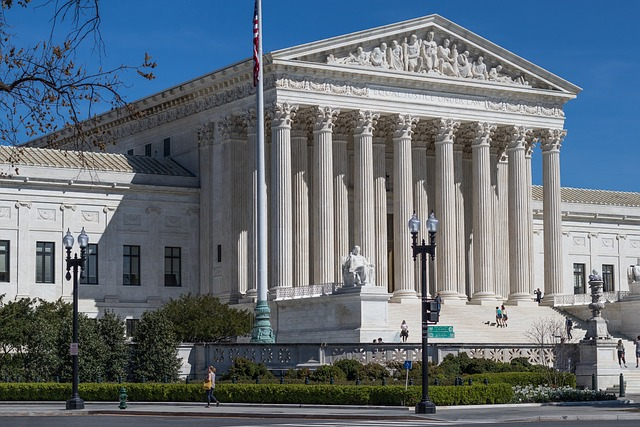
The U.S. Supreme Court building in Washington, DC. Photograph by Pixabay.
The U.S. court system is divided into federal and state courts. Federal courts, which include the Supreme Court, the courts of appeals, and the District Courts, oversee cases concerning federal law, disputes between states, constitutionality, bankruptcy, and other country-level concerns.
While the setup of state courts depends on the state, they generally include a state supreme or high court, a court of appeals, and a variety of trial courts. They oversee suits, including most criminal cases, tort or personal injury cases, family law cases, and cases involving state laws or constitutions.
In the State of Illinois, most cases begin in the 25 judicial circuits (also known as trial courts) across the state. Appeal cases proceed to the Appellate Court, which is divided into five districts. The Illinois Supreme Court, which consists of seven justices, provides the final judgment on state law. Look up the organization of your state’s court system here.

The U.S. District Court for the Northern District of Illinois is the third-largest district court in the country. Photograph by Carol Highsmith, U.S. States District Court website.
Understanding legal terms
Both criminal and civil cases involve a plaintiff (or suing party) and a defendant (or party responding to the complaint). In a civil case, the plaintiff is the person filing the lawsuit, while the defendant is the party against whom the suit is filed. Plaintiffs bring lawsuits in civil court because they believe they have been harmed by the defendant physically, financially, or otherwise.
Defendants can be business interests, individuals, hospitals, insurance companies, nonprofits, or government organizations. In some cases, many plaintiffs claim that the same defendant or group has harmed them. Cases like these may be filed via a class action lawsuit or consolidated into a mass tort.
Criminal Cases

Photograph by Pixabay.
Criminal cases operate differently from civil cases in several ways. The plaintiff in a criminal case is the State representing the victim (often called “The People” in official documents). At the same time, the defendant is the person or organization being accused of a crime.
Civil and criminal cases also differ in how they handle the burden of proof, how much evidence is required to prove wrongdoing, and who is responsible for providing it. In a criminal case, the State must prove beyond a reasonable doubt that the defendant committed what they are being accused of. In a civil lawsuit, on the other hand, the plaintiff and the plaintiff’s lawyer must provide a preponderance of evidence—meaning showing that something is more likely true than it is not true—to prove that the defendant is at fault. This usually means it is easier to meet the burden of proof in a civil case.
Why is the plaintiff important in the law process?
Under our legal system, individuals can seek compensation for damages. These damages may include physical harm, medical expenses, loss of wages, or emotional distress, and lawsuits can also be filed for people who died due to harmful actions.
Plaintiffs sue for financial compensation, but that’s not all there is to it. Many plaintiffs file claims not only to be compensated for the wrong done against them but also to find answers and prevent the same thing from happening to others.
At Wallace Miller, we understand that there is more than money at stake in these cases. When someone suffers harm due to fraud or negligence, they often feel ignored, disrespected, or erased. Through the legal process, our attorneys can help plaintiffs pursue justice, achieve some measure of recompense, and prevent the harm from happening again.
What is a plaintiff’s attorney?
A plaintiff’s attorney, or plaintiff’s lawyer, is simply the individual representing the plaintiff. However, the term is commonly used to refer to an attorney who specializes in representing plaintiffs’ claims against larger interests such as insurance companies, corporations, or hospitals.

Photograph by Pixabay.
Wallace Miller focuses on this area of the law to make a positive difference in the lives of those who have been wronged. By taking on cases in consumer protection, product liability, employment, environmental and toxic harm, and personal injury, we protect the rights of victims of negligence, fraud, and other wrongdoing.
The defense attorney or the individual representing the party being sued is on the other side of the lawsuit. The term is also often used for lawyers who specialize in representing defendants. Large companies may have a team of defense attorneys on staff responsible for handling suits brought against them.
How do plaintiff’s attorneys get paid?
Because they are bringing the suit, plaintiffs and plaintiffs’ attorneys are the active parties in beginning a claim. Depending on the nature of the case, plaintiff lawyers are often paid via a contingency model, meaning they don’t charge their clients anything during the legal process. In these circumstances, the attorneys initially pay out-of-pocket all necessary litigation expenses—including travel expenses for deposition, expert reviews and analyses, testimonies, documentation, records, and court filing fees. Then, if a settlement or verdict is awarded, the attorneys are reimbursed for those expenses and receive a percentage of the award amount as their fee. If a plaintiff doesn’t receive compensation, the attorney doesn’t get paid, and they do not get reimbursed for the expenses they paid out-of-pocket on the case.
This means that the plaintiff’s attorneys take a financial risk in filing lawsuits. Experienced attorneys are experts at assessing the risk of a given claim and can help the plaintiff understand the situation accurately. Still, there is never a guarantee of a positive case outcome. This system allows average people to access the justice system without paying expensive attorney fees upfront.
What is the role of a plaintiff lawyer?
In a civil case, the plaintiffs’ lawyers are responsible for representing the plaintiff(s) and fighting for justice on their behalf. Their end goal is to help the plaintiff receive compensation for damages caused by the defendant(s).
During this process, they research the plaintiffs’ specific situation and the case in general. They build plaintiff files, gather and present convincing evidence, retain expert witnesses, and prepare documents for the court.

Photograph by Pixabay.
Many cases settle out of court, and in these situations, the lawyer’s goal is to achieve the best compensation possible for their clients. The plaintiff’s lawyer may represent the individual in court if a complaint goes to trial before a judge and jury.
On a societal level, plaintiffs’ lawyers can also use their skills to hold powerful parties accountable. When the actions of a person, corporation, nonprofit, or government organization cause harm to a large number of people, plaintiffs’ attorneys may represent them in a class action or a mass tort. This not only allows the people harmed to receive some compensation but also discourages these organizations from committing the same harmful actions in the future.
Wallace Miller: Your plaintiff lawyers
We know that you have many options when considering a legal claim. Our passionate attorneys and professionals have dedicated their careers to pursuing challenging cases and fighting on behalf of consumers, individuals, classes of people, and small businesses against some of the largest companies in the world.

Left to right: Nicholas P. Kelly, Edward A. Wallace, Molly Condon Wells, Mark R. Miller, Jessica Wieczorkiewicz, Timothy E. Jackson.
The attorneys at Wallace Miller have more than 160 years of cumulative experience in the law and have won millions in recovery and settlements. Our firm is nationally recognized, and we are frequently appointed by federal and state courts to serve in leadership positions. Most importantly, we are committed to obtaining justice for each and every one of our clients.
If you think you may have a claim against a business, corporation, organization, or any other group or would like to discuss your options, reach out to our firm today at (312) 261-6193 or fill out our online questionnaire for a free and confidential assessment in minutes.
Related Posts