
Posted on Wednesday, January 21st, 2026 at 3:38 pm
Lawrence K. Holcomb has worked in asbestos litigation for more than a decade. With the rest of the asbestos team at Wallace Miller, he fights tirelessly to make sure his clients and their families receive the resources they need.
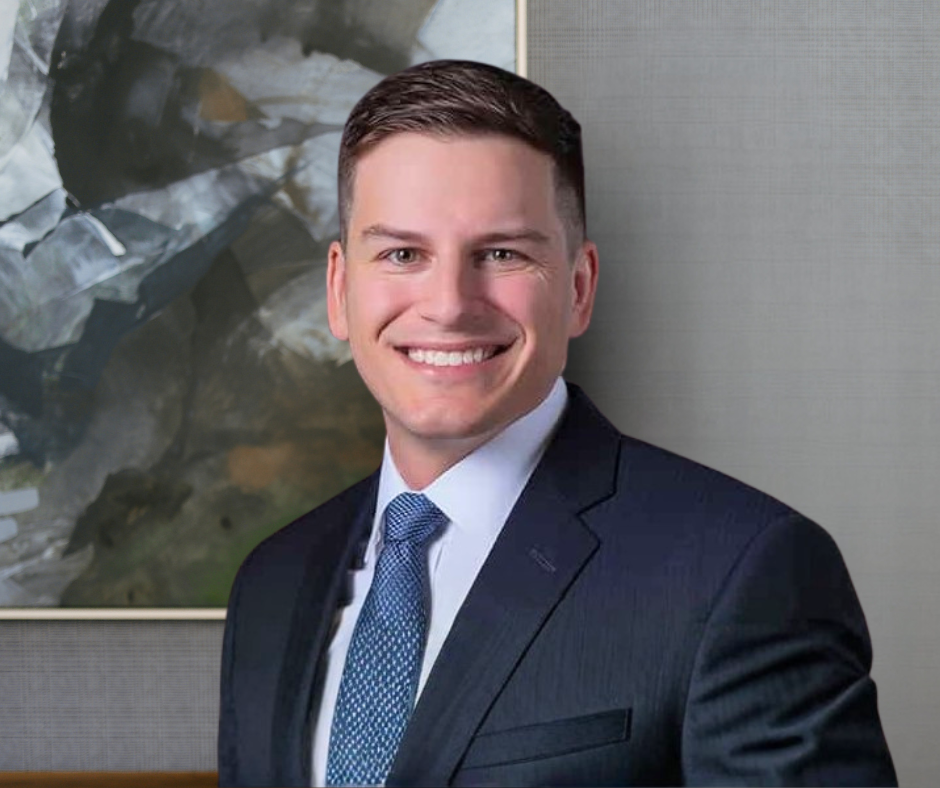
Wallace Miller partner Lawrence K. Holcomb
How did you become a lawyer?
Becoming a lawyer was actually a bit of an accident. I graduated in ’07 with a management degree, and I had a job as an assistant resort manager in Orange Beach, Alabama, and I thought that’s where my career path was going to be—resort management. Who wouldn’t want to work at a resort? The resort was owned by a real-estate development firm which collapsed along with half the economy. With the mortgage situation in 2008, there weren’t a whole lot of people hiring.
So, my mom asked me, “Why don’t you take the LSAT and see how you do?” I signed up and took it a few weeks later and luckily did well enough to get a merit scholarship to law school, so off I went.
It worked out great. I love being an attorney. It’s good to channel my natural enjoyment of arguing and intellectual exercise and all that good stuff while helping folks. There’s a lot of different jobs you can do in life, but the ability to help people is a great thing.
How did you choose asbestos law specifically?
I had a background of knowledge in it, because my family owned an asbestos abatement company. I grew up hearing about it at the dinner table and went on some of the jobs. That’s part of what I did for work [before] starting law school—I worked for my parents and ran some projects from Kansas to Puerto Rico. And it happened that when I was graduating, there was a posting locally for an asbestos attorney, and I said, “Well, that’s perfect.”
I also gravitated towards asbestos because you get to work with individual people who were really harmed by these companies, instead of some areas of law, where it’s just one big commercial company versus another.
What does asbestos abatement mean?
Removing asbestos from buildings. Asbestos was installed everywhere up through the early ‘70s at least, and it didn’t just disappear once it was banned. There were still probably trillions of tons of asbestos in buildings and schools and whatnot. So we would go in and take it out so that it wouldn’t continue to hurt people. That’s legally required—even if the building is falling apart or you’re going to demolish a building, you’ve got to safely remove the asbestos first. The job was a lot of learning where asbestos is and trying to stop it from hurting people in the future.
Tell me about a moment in your legal work when you thought, “I’m really making a difference.”
Early in my career, I was working with a client in upstate New York who had been an intelligence officer for the Army. He developed a counter-IED program in Iraq and saved a bunch of soldiers from losing limbs or losing their lives.
He’d retired by this point, but he was renovating an old Army barracks into a brewery and lodge. And he was diagnosed with mesothelioma in the middle of the massive renovation.
So, they were trying to renovate this barracks and his getting sick really posed a huge challenge to its completion. Sadly, he did not live to see the bar complete and open, but he lived long enough to see his lawsuit guarantee that there would be enough funding for the project to be seen through by his wife.
Being able to help someone like that—it meant a lot to me. All the military folks I work with do. There are tons of people that over the years I’ve been fortunate enough to represent that have really left a mark on me. He was the first one, I think, who died while I was representing him, and the responsibility I felt towards his family, and do to the family of every deceased client, is hard to put into words.
How do you handle working on cases with people who have serious diagnoses?
From an emotional standpoint, it’s really tough. The comfort is knowing that I’m able to tell them before they pass, “Your family will be taken care of.”
There was one guy I represented in Georgia who told me, “Man, I know I’m going to die soon and that’s okay. I know that you’re going to take care of my wife and that gives me the peace I need to be able to die and not be worried.” He sadly did pass away a few months later, but we were able to recover millions for his widow. Money can never fight a disease, or heal the pain of losing a loved one, but it does make the other parts of my clients’ lives easier.
I mostly work with men in their 70s and 80s. In their generation, they were responsible for taking care of their wives and families and that’s what they believe. To be able to take the financial burden off of them so that they can fight their disease, or even pass with a little bit more peace—that gives me enough solace to where when they do pass, I can say, “It’s okay, I’ve got to fulfill my responsibility now and make sure this family is taken care of.’”
What do people misunderstand about the work that lawyers do?
A lot of people think they’re just going to be a number or another file when they come to us, and that’s not the case. I work hard to stay in communication with my clients and get back to them quickly. Accessibility means a lot to me because I know it means a lot to my clients. Every client has my direct number.
What do people need to know about asbestos cases?
Everyone needs to know that we’ll help them figure it out. When they come to us initially, they don’t always know exactly how they were exposed or what they were exposed to, so they might not be sure if they have a claim.
What they need to know is that we’re professionals and are trained to help them identify their exposures. They often remember working with various products, but didn’t know they contained asbestos. They have a partner in us, and we’re going to combine our knowledge with their knowledge to figure out how to make their lives better. They don’t have to have all the dots connected before coming to us.
Read more about Lawrence in his bio.